 I was reminded of the vice grip social media has on my identity when I submitted the manuscript of a grief memoir I penned a couple of years ago to yet another small publisher. I was asked to list the handles for my “X” (formerly Twitter) and Instagram accounts and provide a link to my blog. It was as if I didn’t count unless I had a social media presence—as if my worth as a human being was linked to how many people were scrolling through my latest political post or recent attempt at everyday wisdom in my blog.
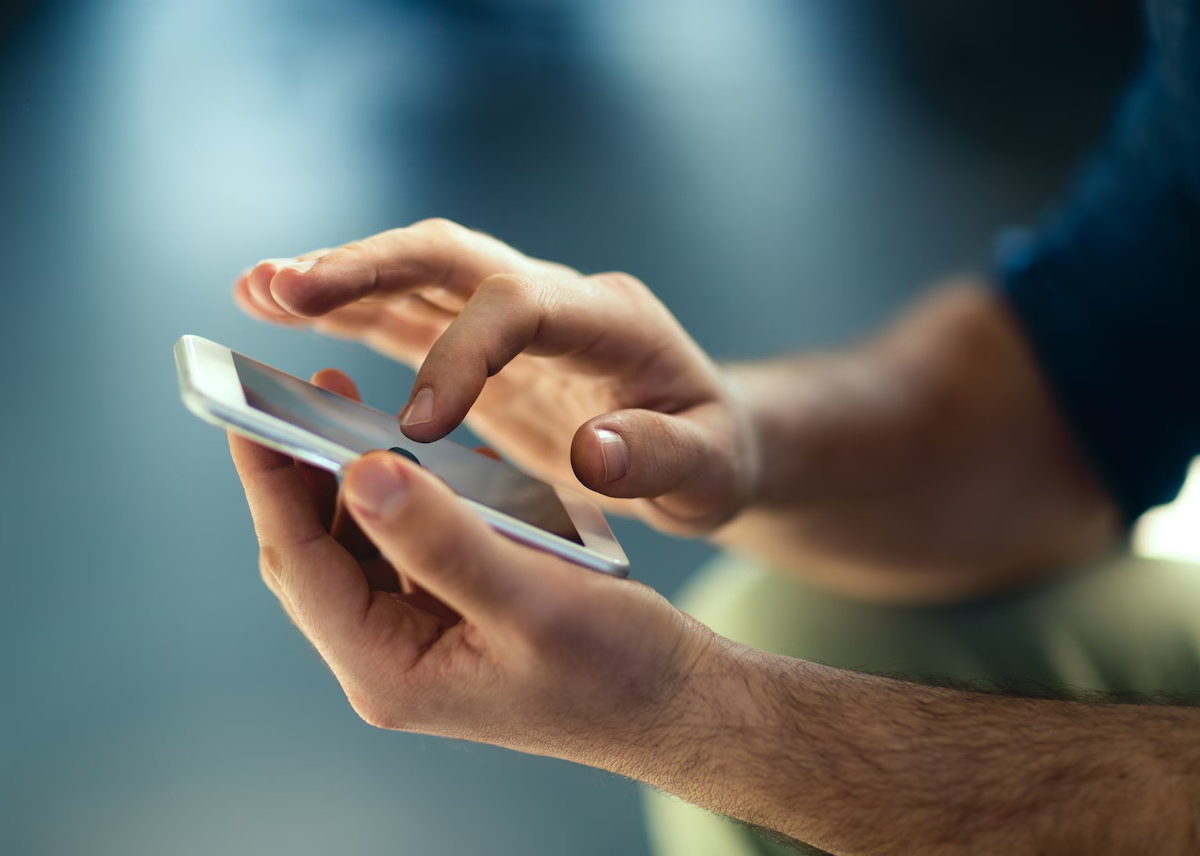
I’ll admit it. I have a love-hate relationship with social media. But then, who hasn’t? Whether it’s endlessly scrolling through impossibly cute puppy antics or bits of forgotten nostalgia from a childhood we thought we’d lost, these platforms have a finger on the pulse of the zeitgeist and a vice grip on our psyche. Like hopeless junkies, we peruse our social media apps, desperately seeking one more hit of escape from the worries crowding our heads.
Suddenly, we all have a platform. We are perched on top of a soapbox, ideal for airing grievances with little fear of consequence. We lay out the minutiae of our days for the world to admire or criticize—a digital thumbprint that will never disappear. The internet community has become a place for us to build each other up and take each other down a peg or two.
With all the fascinating yet flawed gifts social media hands us, we’re still left wondering if spending all this time searching for fleeting bits of entertainment is good for our mental health. Is there a way, we ask ourselves, to sort through all the social media junk to find the picture, the video snippet, or blog that will not only nurture, uplift, and inform us—but also support our emotional well-being?
In this blog, you’ll learn how much time we spend on social media, its effect on mental health, and practical strategies for balancing social media use and real life.
A Few Social Media Stats
According to data heavy hitters, 80% of adults and 90% of teenagers in the U.S. are on social media. This means that about 253 million of us are on these platforms, with another 5 billion worldwide—a number expected to climb by another billion in 2027.
The average person spends 2.5 hours per day on their favorite social networking apps. This means that if a child starts scrolling at ten, they’ll spend about seven years on social media by the time they turn 80.
The Relationship Between Social Media and Mental Health
Studies tracing the connection between social media usage and mental health tell us that increased time on these apps can make us feel anxious, depressed, and dissatisfied with our bodies. Time on platforms like Instagram or TikTok can also reduce sleep quality and increase low self-esteem.
Platforms like YouTube, Instagram, and Snapchat can be a breeding ground for emotional problems—especially for teens. Girls report more mental health issues tied to their social media habits than boys. Teens already dealing with anxiety or depression tend to spend more time online, and those who scroll more than three hours a day are twice as likely to experience depression. Cyberbullying, body comparison, and negative content can all take a serious toll.
On the flip side, when used moderately and intentionally, social media can actually benefit mental health. It can offer a sense of connection, self-expression, and validation.
While social media can feel isolating if used as a substitute for in-person interaction, it can also create opportunities for community. Whether we’re participating in a lively discussion on YouTube or sharing travel photos on X, these platforms can broaden our world, exposing us to diverse perspectives and ideas.
In addition to reconnecting with distant family and friends, social media promotes independence and creativity. It allows us to build our own online communities, showcase talents, or develop niche interests. From music releases to cooking tutorials, social platforms help boost confidence and support self-expression.
No longer blocked by traditional gatekeepers, anyone can share their voice, hobbies, and skills with a wider audience. Social media makes it possible for new creators, educators, and entrepreneurs to thrive. It’s more than a place for viral videos—it’s also a space for growth and discovery.
How Do I Balance My Social Media Use and Real Life?
Since we probably won’t give up scrolling any time soon, it’s a good idea to find ways to manage it in a way that supports mental wellness. One strategy is to use the T.I.M.E. test:
T is for Time-restricted – Do you currently limit the time you spend on social media? If not, are you open to setting one?
I is for Intentional – Are you using social media for a specific reason, or are you caught in the endless scroll trap?
M is for Mindful – Is your time on apps mindful or mindless? If you often wonder where the time went, it might be time to cut back.
E is for Enriching – Ask yourself if your time online makes you feel better, improves relationships, or helps you grow. If not, you may be giving more than you’re getting from social media.
Additional Tips to Use Social Media More Mindfully
1. Step back before taking it in – Remember, not everything you read online is true. Be skeptical, even if it supports your beliefs.
2. Don’t get lost in your algorithm – Your feed is curated to keep you scrolling, not necessarily to help you grow or feel good.
3. Become your own fact-checker – Misinformation spreads easily. Always check facts, even from sources that seem trustworthy.
4. Think before you post – Ask how your post might be received. Can you say something important with more kindness or nuance?
5. Be a people-first poster – Behind every profile is a human. Respond with empathy, and treat others how you’d like to be treated.
6. Keep your balance – If you’re spending more time scrolling than living, you may need to reassess your priorities.
7. Watch out for fake facts – Filtered photos and manipulated content can warp your sense of reality. Stay grounded in what’s real.
8. Live in a positive digital universe – Follow people who uplift and educate. Mute or unfollow accounts that create negativity.
9. Take a break – Schedule regular breaks from social media. Reconnect with hobbies, nature, and in-person relationships.
Conclusion
Measuring our social media use against the time we spend truly living will always be a balancing act. But with the right tools, we can prevent things from getting out of sync.
If we guard our time, avoid mindless scrolling, verify what we read, and create a more positive digital space, we’re more likely to use social media in a way that enhances mental health and self-worth.
If you’re struggling to find balance between online time and living a full, meaningful life, the therapists at Healing Connections Counseling can help.
References
Perlmutter, Austin, MD. (2023, October 25). The Conflicting Science of Social Media and Mental Health. Psychology Today
Well, Tara, Ph.D. (2025, March 21). Social Media and Mental Health: How to Stay in Control. Psychology Today
Charles Davis, MSW, has written for several academic publications and was a semifinalist for the 2023 Mason Jar Press 1729 Book Prize in Prose. He lectures on a variety of disability issues, including legal rights and sexuality. Mr. Davis also writes a blog on navigating loss and building a new life at: gayandgrieving.blog