
 I feel a distant wistfulness—a sadness lurking in the back of my head. It’s as if the rug has been pulled out from under me, and I’ve never quite been able to regain my emotional footing.
Casting about, I wonder where these feelings are coming from—the hankering for life as I knew it—the pining for opportunities lost. I ask myself why things feel different when nothing has changed. I sit down to the same dinners, sleep in the same bed, pay the same bills, and love the same man. Yet I’m constantly off kilter.
Then it hits me. I now live in a world of political and economic chaos, where those seen as “other” disappear from our streets, parents are afraid to send their children to school every morning, and constant surveillance for impending weather catastrophes is a way of life. Is it any wonder that I’m experiencing the longing we all feel for a shared existence that will never come again? I feel a collective grief—a shared sadness over the absence of things that were and no longer will be—a grief that belongs to all of us.
In this blog post, you’ll learn what collective grief is, some of the ways it manifests, how grief is integral to and motivates social change, along with strategies for healing shared loss.
Defining Collective Grief
We’ve all felt the sadness that comes with grief over losing something or someone we love. It seeps in around the edges of our lives, eventually coloring our entire existence, leaving us alone to grapple with what’s left and rebuild the world we once knew. And while collective grief shares many of these characteristics, it’s a different kind of loss.
Collective grief is a joint response to cataclysmic loss, a happening, or shattering change experienced by a community, society, country, or even the world. And unlike individual grief that often takes place behind closed doors, collective grief happens in public. Our common sorrow draws us together as a community or a nation, coming on the heels of a catastrophic event such as a fire that destroys a city, a mass shooting, or the death of an icon.
Unlike hosting a celebration of life or scattering a family member’s ashes on their favorite spot, we commemorate societal losses by gathering in a local park with flickering candles gripped in our hands, placing balloons or a bouquet where a beloved figure fell, or adding our condolences to an endless social media thread as a way of sharing our grief with others around the world.
Global grief can cause us to circle back to our individual losses, compounding the sadness and devastation we’re already feeling. It worms its way into the zeitgeist, throwing off our communal sense of balance. And when we feel unable to prevent devastating events, we become overwhelmed by a sense of powerlessness.
What are some examples of collective grief?
You might think that the phenomenon of collective grief owes its origins to COVID. While more than a few experts point to the world-shattering pandemic as the opening gambit, it turns out there are several things that can propel us in this direction.
- Global Pandemics: COVID ushered in a season of grief marked by the loss of those we cherished, missed milestones, and a way of life that, in certain respects, will never resurface. But as far back as the Spanish flu epidemic of 1918, the world has been rocked by health crises that brought universal mourning in their wake and rearranged life as we knew it for decades to come.
- Natural Disasters: Whether you believe in climate change or not, natural disasters seem to be on the uptick, leaving us feeling helpless and beset with climate despair as we watch wildfires, floods, and hurricanes wipe out neighborhoods, destroy homes, and uproot the livelihood we thought we could count on, leaving us to live in an environment we barely recognize.
- Mass Violence: Sadly, we now inhabit a country in which mass shootings, bombings, and other acts of terror are a daily occurrence. Inevitably, all this violence leaves us feeling vulnerable, helpless, and sad.
- Loss of Icons: Although most of us don’t know them personally, the death of celebrities and other well-known, beloved, or revered individuals can often make us feel as if we’ve lost someone important to us. The death of significant figures such as Princess Diana and Queen Elizabeth II altered the world as we know it, bringing with them a global sense of sadness.
- Loss of Opportunity: With our progressive future in jeopardy, we’re experiencing political grief over shifting values and an uncertain future. For example, when Gen Z reported that affordable housing was at the top of the list of things they wanted back, they highlighted an underlying issue—the loss of opportunity, a longing for the possibility of a stable, attainable future that seems to be drifting further and further away.
Why Collective Grief Belongs in Social Movements
There is a direct correlation between the degree to which we grieve a loss and the importance of that loss to us. In other words, transforming our personal loss into a cause others can get behind because they’ve experienced the same pain inspires us to foment change and ensure those in charge are accountable for their actions. Organizing around collective loss is essential when affecting social change for several reasons:
- It brings loss into the open: When large groups of people mourn in a visible way, it puts a spotlight on issues such as gun violence and mass deportation, directly challenging false narratives and the status quo.
- It binds us together: When we grieve a common loss, we build bonds rooted in shared values and cemented by the ability to walk a mile in another person’s shoes—emotions that serve as a call to action and fuel our resolve.
- It ensures we’re in it for the long haul: By owning collective grief, we learn we can depend on each other when the chips are down. Sharing the burden prevents us from feeling overwhelmed by the sheer scale of the task ahead, allowing us to sustain our efforts long after we might’ve given up if we tried to handle it on our own.
- It places responsibility: Turning our individual feelings of loss into a cause that others can share forces authorities to face the problem squarely because they can no longer pass it off as something that affects only a few individuals.
How Collective Grief Can Kickstart Social Change
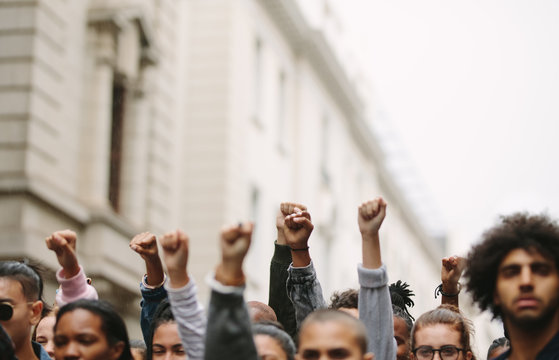
When we underscore shared loss through candlelight vigils, protests, and marches, we shine a spotlight on the people, policies, and organizations that engineered it in the first place.
The mere act of seeing others collectively grieve can make us more empathetic, giving us permission to challenge the way things are and become agents of change. Further, it allows us to envision a more just world—one we can help create for ourselves.
Bonded by mutual loss, those who’ve experienced collective grief often organize, forming groups that challenge the status quo. In turn, these groups amass political power that can compel institutions to rethink their positions, helping ensure that the cause of the loss doesn’t recur.
Healing After Shared Loss
Living through a natural disaster, pandemic, political unrest, or the loss of a person who is significant to all of us can be overwhelming. Fortunately, there are ways we can work through our feelings, using them to spur personal growth and systemic change.
- Sit with Your Grief: Let yourself be sad. Resist all those messages telling you to deny or rush through the anguish you feel. Remember, grief is a natural and very human response to loss. The journey is yours alone, and there’s no such thing as taking a wrong turn. Tears, staring into space, and slipping under the covers for a much-needed nap are all normal ways to handle your grief.
- Take a Moment: When you’re feeling overwhelmed by the chaos all around you, pause and breathe. Giving yourself the chance to regroup emotionally can reset your rattled nervous system, helping you realize that you have the strength and conviction to make a difference.
- Take One Small Step: The causes of collective grief can be enormous in scope, leaving us feeling paralyzed, but focusing on one small task can bring us back to reality and allow us to feel more in control of our environment. Make yourself a cup of coffee, load the dishwasher, or glance through your favorite magazine to ground yourself and get a handle on an event or circumstance that feels overwhelming.
- Reach Out and Act: Reaching out eases sorrow and combats depression. Sharing shared grief can give you the support you need to make it through and out the other side. Visit a neighbor or text a friend. Invite others who feel as you do over for a meal to discuss the issue, strategize, and, if you feel ready, take collective action.
Conclusion
Collective grief can engulf our communities and make us feel paralyzed in the face of political upheaval, a natural disaster, epidemic, or the loss of an individual who changed our world. But it can also act as a catalyst for public expression that brings the reason for our loss to the forefront, spurring systemic change. If we step back, breathe, regroup, reach out to others who feel as we do, and allow ourselves to sit with our grief, we can recalibrate our emotions, making it much more likely that we’ll be able to take a stand and become agents of change.
References
Nathan, Edy. MA, LCSWR., (2025, January 17). Grieving in Community. Psychologytoday.com. https://www.psychologytoday.com/us/blog/tales-of-grief/202501/grieving-in-community
Shelvock, Mark. RP, MACP, MA, (2025, May 7). Gen Z Grief: The Hidden Grief of a Generation. Psychologytoday.com. https://www.psychologytoday.com/us/blog/navigating-the-serpentine-path/202505/gen-z-grief-the-hidden-grief-of-a-generation
Charles Davis is an essayist who has written for several academic publications, The Gay & Lesbian Review and The Christian Science Monitor. Mr. Davis also writes a blog on navigating loss and building a new life at: https://gayandgrieving.blog. He was a semifinalist for the 2023 Mason Jar Press 1729 Book Prize in Prose.